
One Platform. Two kinds of work.
THE MODEL
We do two things. We help kids play- right now, one child at a time. And we work on the system that decides which kids get to play at all.
The Continuum of Opportunity — three programs that reach children directly.
Direct Impact
The Play Equity Collective — the work that strengthens the systems around every child.
Systems Impact
DIRECT IMPACT: The Continuum of Opportunity
SYSTEM IMPACT: The Play Equity Collective
Three Programs. One Journey.
DIRECT IMPACT
These are not stages every child completes. ShareWaves meets a child wherever they are on the path — some need only one program; some move across all three.
GameChanging Grants
“I can’t afford to start”
Micro-grants, paid vendor-direct through trusted partners, that get a child in the door.
#Ready2Play Camps & Clinics
“There is no quality programming where I live”
Quality sports and movement are brought into the neighborhoods where kids live. You don't have to be an athlete to take part.
#Ready2Grow
“The pathway I’m on is pricing me out”
(Emerging)
Building Brighter Futures. Flexible stipends that follow a committed young person into the club or program they choose.
SYSTEMS IMPACT
The coalition that strengthens the whole ecosystem
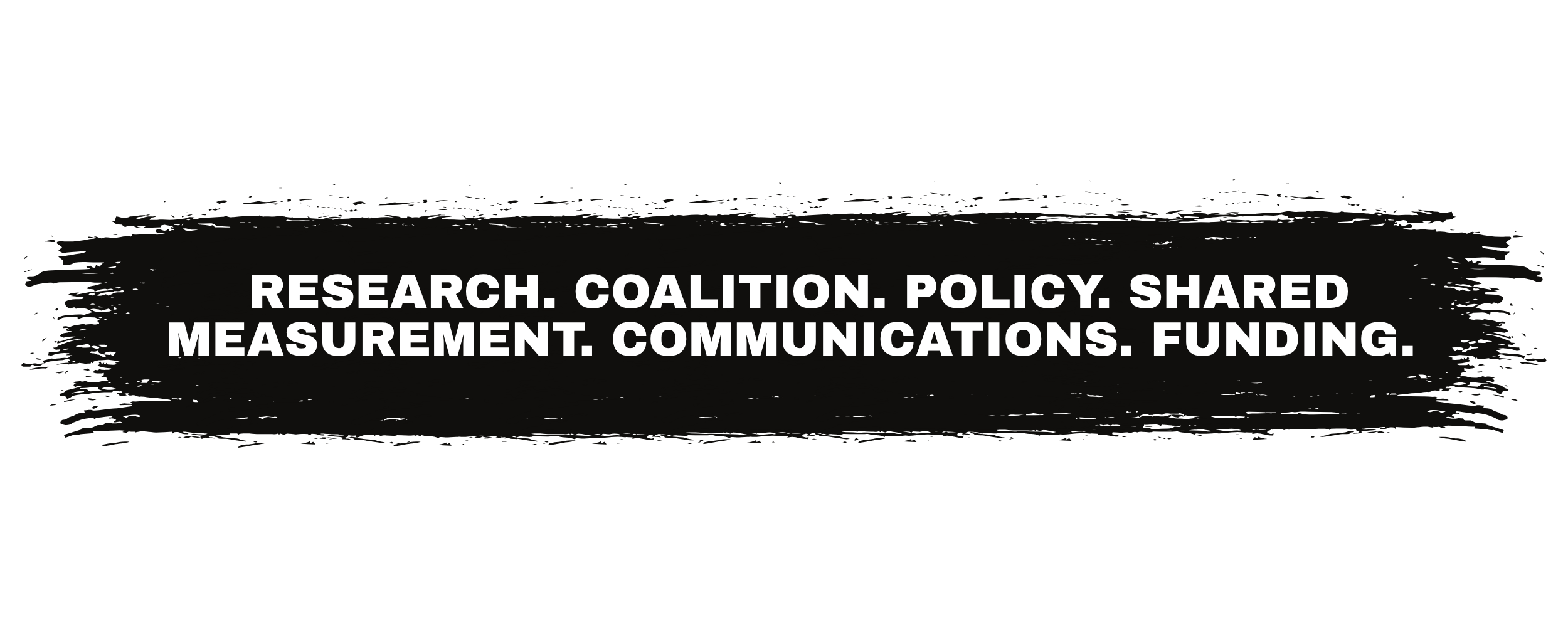
The Play Equity Collective is how ShareWaves strengthens the whole system — the Kansas City Play Equity Coalition it convenes and leads.
RESEARCH
COALITION
POLICY
FUNDING
SHARED MEASUREMENT
COMMUNICATIONS
Membership is earned through commitment, not affiliation — a working body of builders, not a wall of logos.
Coalitions for Sport Equity- 700+ organizations, 23 cities
Temple Made Fitness, Full Throttle Fitness, & Unified Parks and Rec
World Cup 2026 Legacy - KC2026
Sport Sector Lead, Kansa City Physical Activity Plan
Children’s Mercy / Kansas City Healthy Lifestyle Collaborative
2023 Aspen Institute Project Play Champion
The continuum is the child's journey. Systems impact is the terrain.
HOW IT FITS
The Play Equity Collective is the terrain the child's journey crosses — being reshaped underfoot. Programs remove the barriers a child faces today. Systems work makes sure those barriers are lower for the next child.
Our Theory of Change
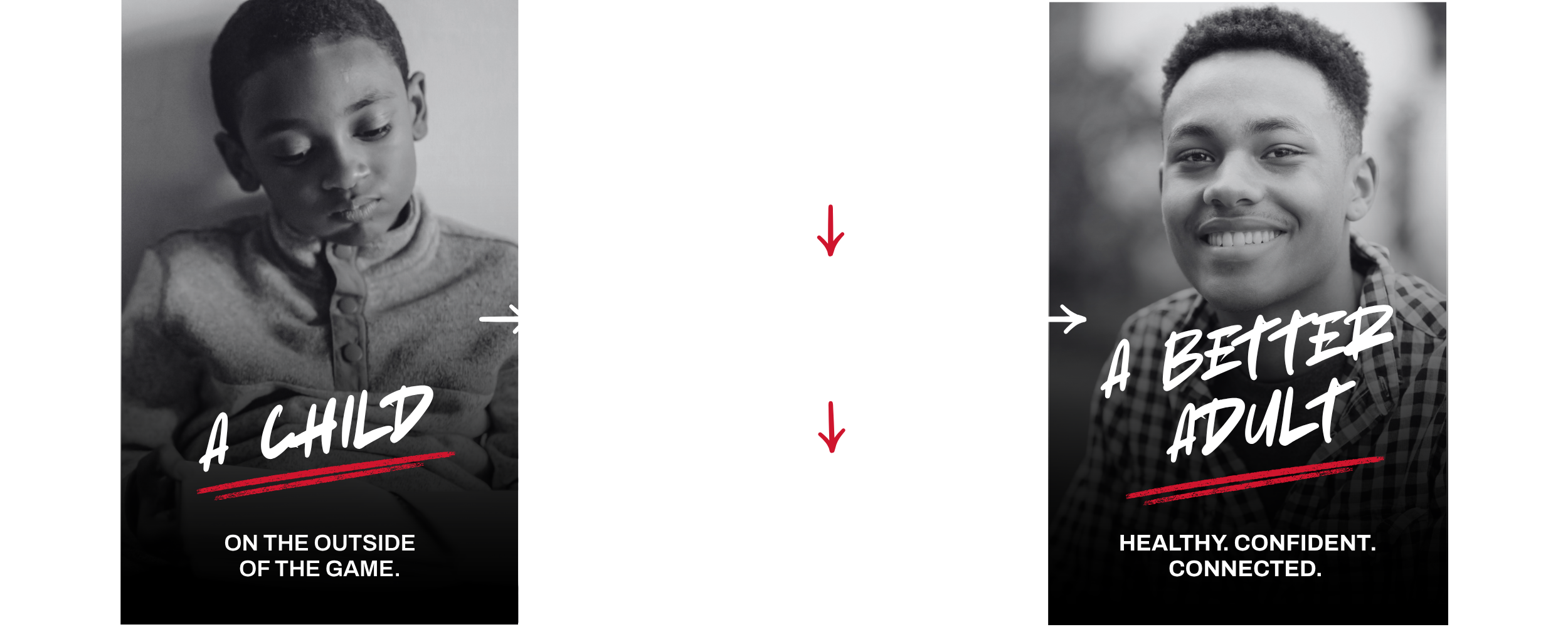
When more children have equitable access to quality play, and communities align to keep those opportunities open, children grow into healthier, more confident adults, and their communities grow stronger as a result.
A body that knows how to move — the physical foundation of health and confidence, built early.
Movement
Being on a team, being expected, being part of something — the antidote to being on the outside.
Belonging
Places to play that are physically and emotionally safe, where a kid can take a risk, fail, and try again.
Safety
The reach toward what comes next — the pathways, mentors, and dreams that sport uniquely opens.
Aspiration
Movement, belonging, safety, aspiration — the developmental foundations of healthier adults, stronger families, and more resilient communities.
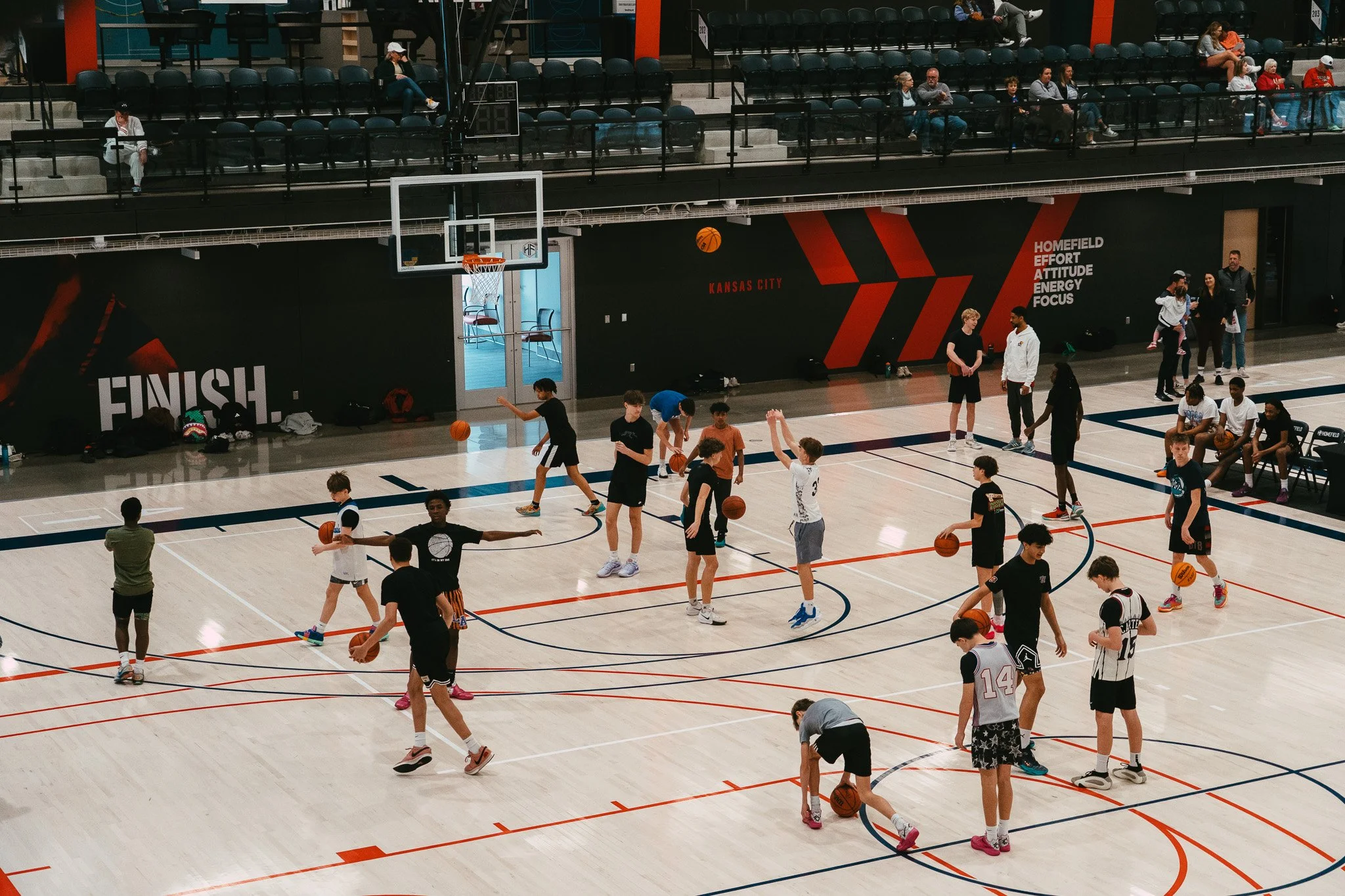
See it in action.
Our partners, programs, and coalition work reach kids across Kansas City.