THE PROBLEM AS WE SEE IT
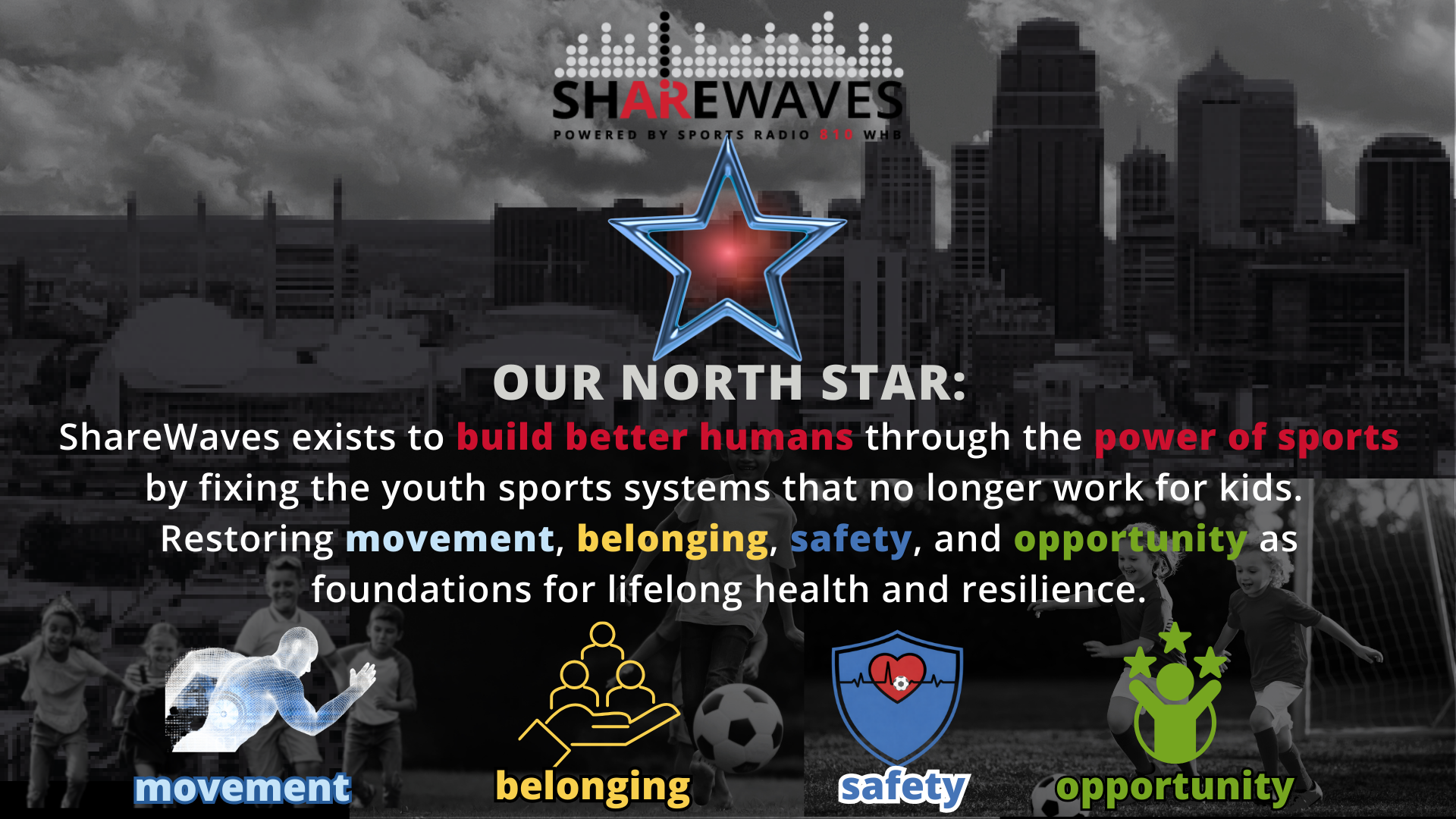
Youth sports have drifted from child-centered development to adult-driven systems, leaving too many kids without access to play, movement, and belonging.

The Crisis We Exist to Solve
Youth sports are failing too many kids.
Our current systems — cultural, economic, structural — have produced outcomes nobody set out to design.
Participation is declining.
Mental health challenges are rising.
Sedentary lifestyles are replacing movement, connection, and belonging.
Costs continue to increase.
Access continues to shrink.
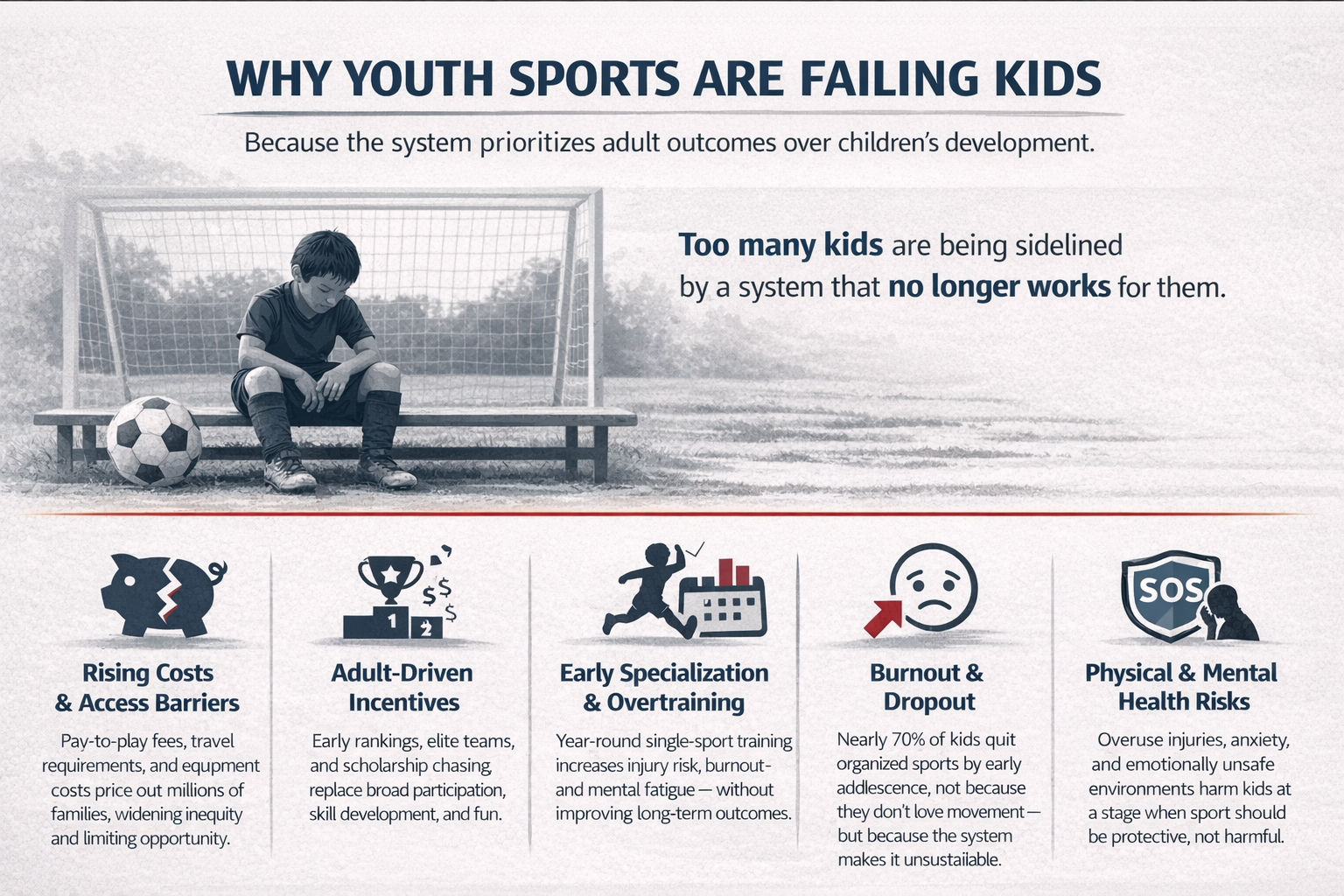
Systems meant to support healthy growth now prioritize adult convenience, profit, and early performance outcomes over the holistic development of children.
This is not a parenting failure.
This is not a coaching failure.
This is a systems failure.
Why are youth sports failing?
At its core, the youth sports landscape rewards outcomes that do not align with what children most need to thrive.
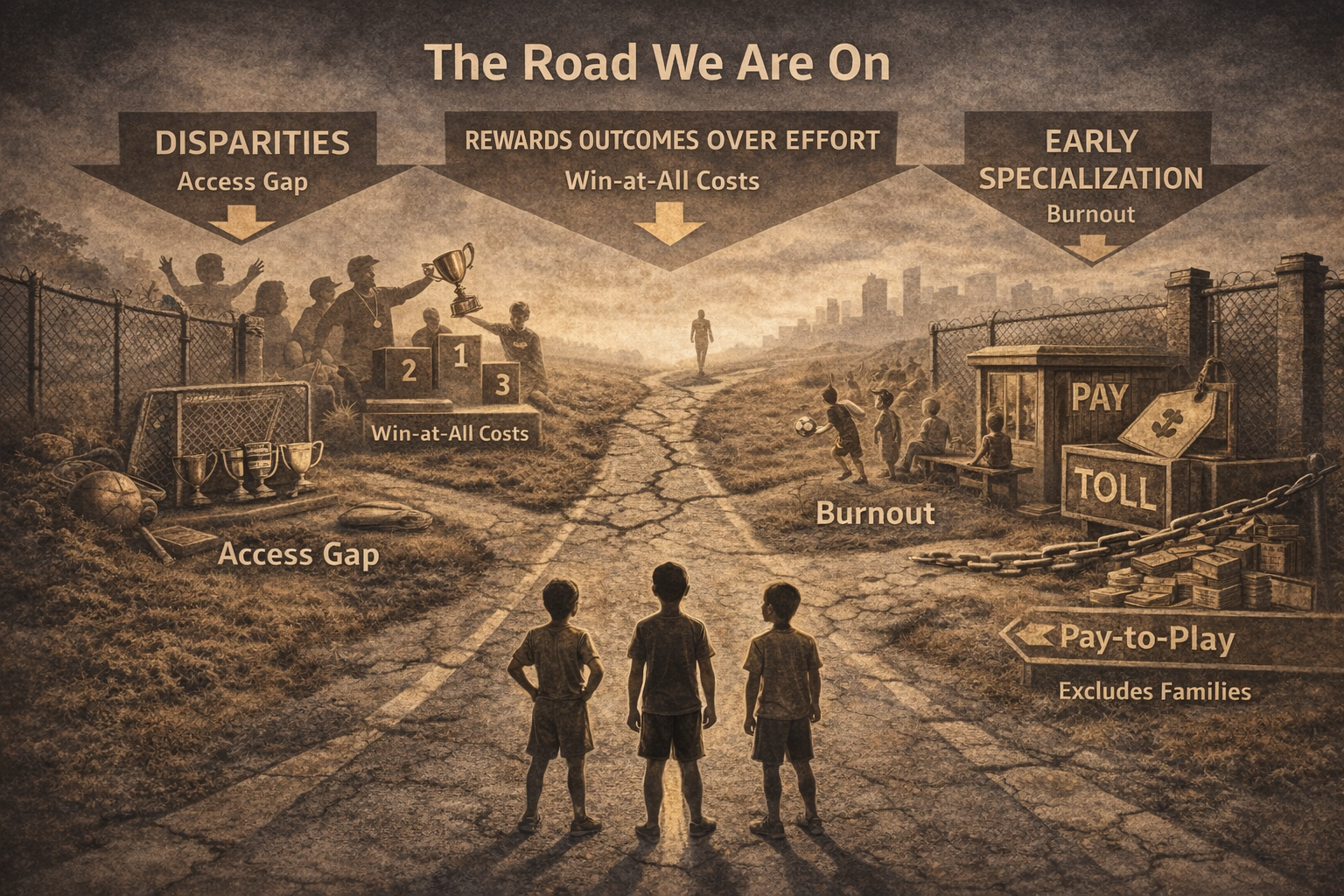
Early specialization over broad developmental experiences
Pay-to-play models that price out families
Fragmented, competitive pathways that push kids toward burnout
What was designed to support development has instead become exclusionary, inconsistent, and unsustainable — working well for a few while leaving too many behind.
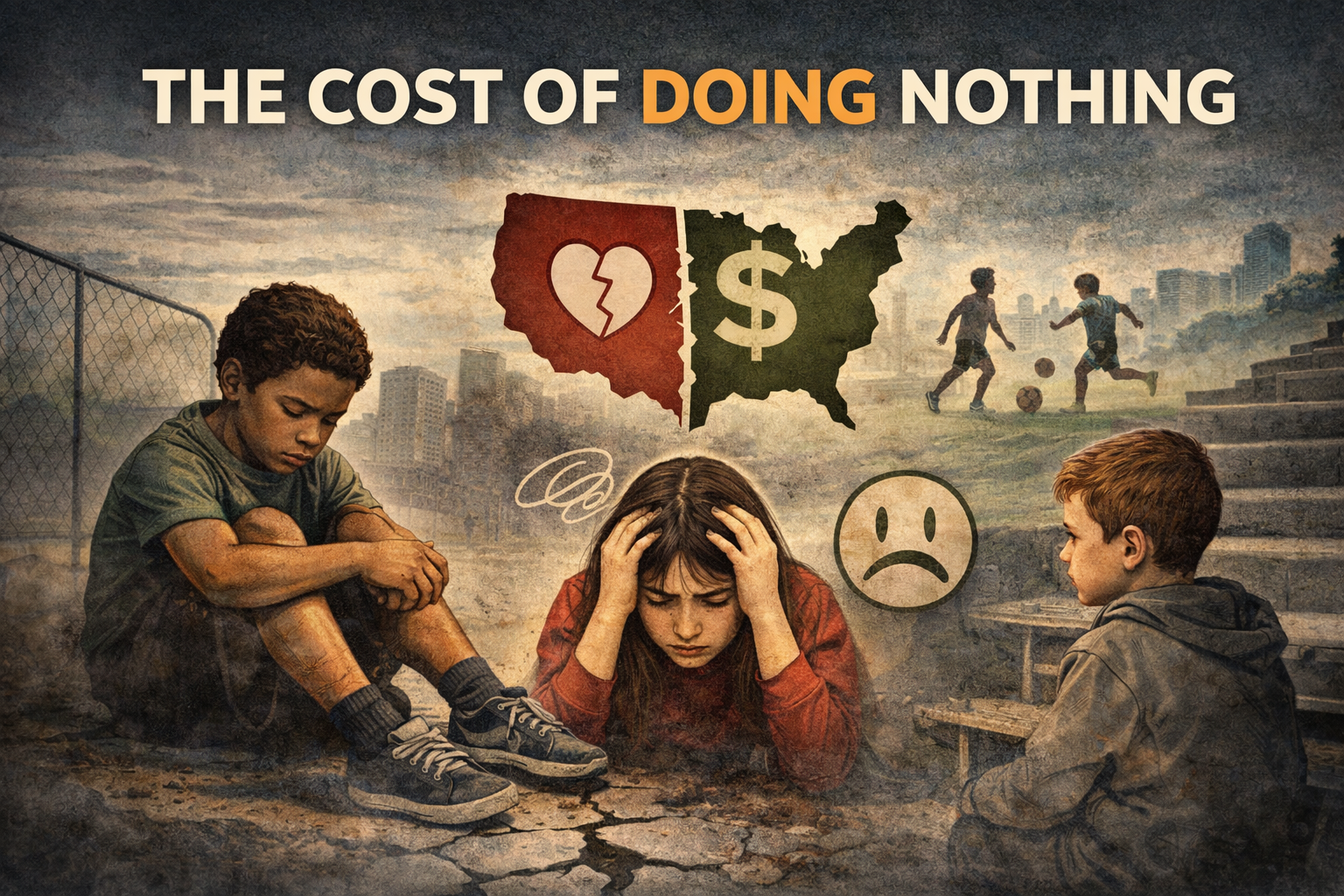
When kids lose access to healthy sport experiences, the consequences last far beyond the field.
What we see playing out across communities is not just a decline in activity, it’s a decline in well-being:
Kids are quitting sports altogether
Anxiety, isolation, and stress are rising
Participation gaps widen between those with resources and those without
Physical inactivity becomes the default for too many
This isn’t just a sports issue.
It’s a public health issue.
A mental health issue.
A human development issue.
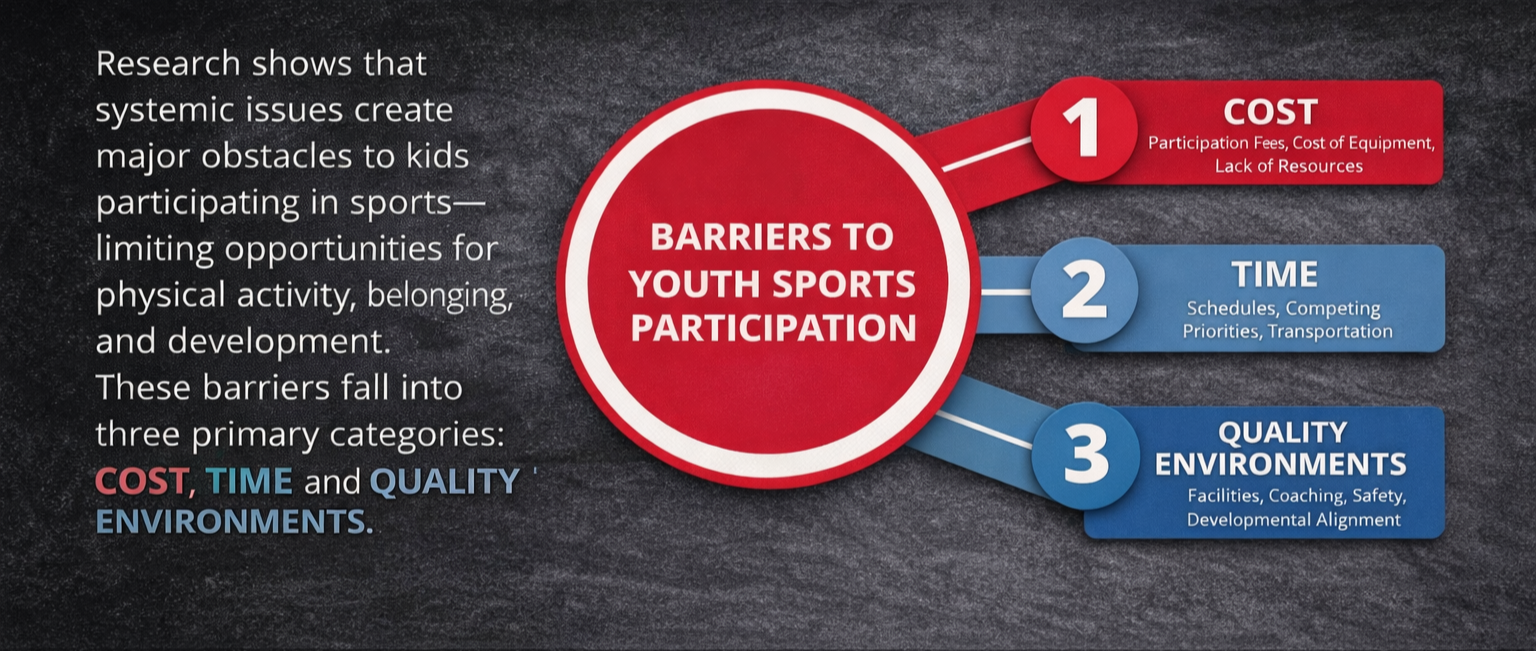
Three Barriers That Keep Kids on the Sidelines
Youth sports should be a pathway to movement, belonging, and growth.
Today, too many kids never get the chance.
The system creates barriers that limit who can play and who can stay:
Cost - Pay-to-play fees, equipment, and travel costs price families out before kids ever step on the field.
Time - Overloaded schedules, travel demands, and year-round commitments make participation unrealistic for many households.
Quality Environments - Not all access is equal. Kids need safe, supportive, development-first spaces, not pressure, burnout, or risk.
Together, these barriers don’t just reduce participation; they reshape who youth sports are built for.
How We Work:
A Platform, Not Just Programs
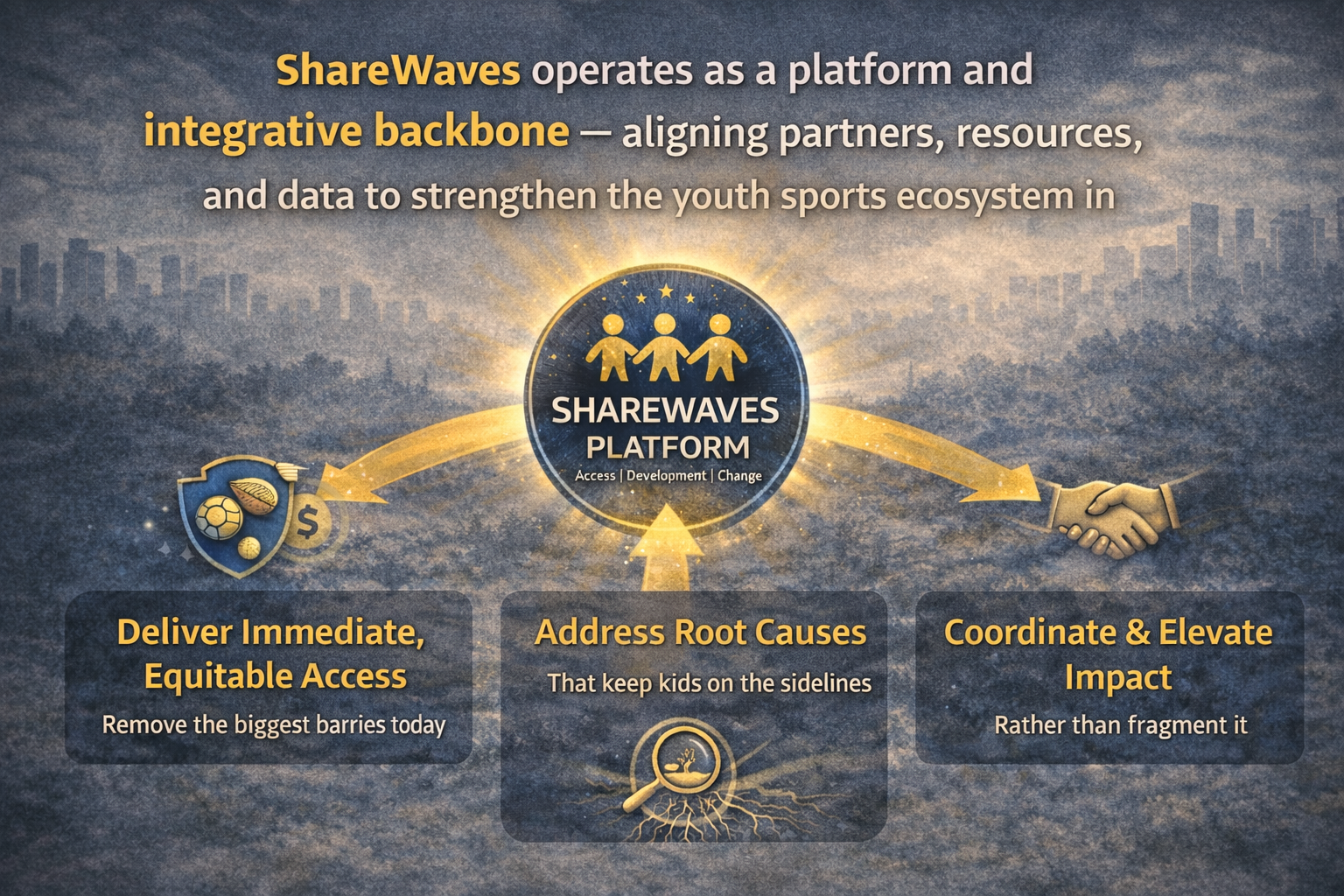
Our approach invests where barriers are highest, connects where systems are weakest, and builds strength where leadership is most needed.
Youth sports should help every child grow, belong, and thrive.
Instead, the current system too often reinforces exclusion, stress, and disparity.
Solving this requires seeing the whole system clearly, naming its misalignments, and working with intention to redesign conditions so every child has real access to movement, belonging, safety, and opportunity.