
The youth sports crisis isn’t a sports problem.
THE PROBLEM
It is a health crisis. An education crisis. A mental health crisis. A workforce-readiness crisis. A community development crisis. And it happens to show up through sports — because sports and physical activity are one of the few near-universal channels through which young people develop physically, cognitively, socially, and emotionally.
When that channel breaks, the costs don't stay on the field. ShareWaves exists because the system that should serve every kid is currently serving fewer of them every year. We work to open that door back up — and we work on the system itself.
THE SHAREWAVES PREMISE
Unequal access to play is not a gap in services. It is a failure of equity.
THE DIAGNOSIS
Three forces are reshaping youth sport — and pushing kids out.
Families face rising costs, transportation barriers, and a shortage of quality programming nearby.

INDIVIDUAL
The youth-sports ecosystem is fragmented and increasingly pay-to-play — pushing out the very children who would benefit most.
SYSTEM
The consequences compound into a public-health problem. In Kansas City, only about 20% of youth meet daily physical activity guidelines, and access varies sharply by zip code, income, and race — even as youth mental health challenges rise.
POPULATION
Inequitable access
A child's opportunity to play is increasingly shaped by household income and community resources. New AP-Ipsos polling finds roughly 70% of families earning $100,000 or more have a child in organized sports — compared with about 40% of families earning less. Interest in sports isn't the dividing line. Access increasingly is.
Commercialization
Youth sports have been remade as a commodity. Pay-to-play, club teams, and travel leagues have become the default — pricing out families with fewer resources.
Fragmentation
Thousands of organizations serve children across a fragmented youth sports ecosystem, with inconsistent standards for safety, coaching, governance, access, and accountability. Good work stays isolated — while the gaps between systems leave families navigating dramatically different experiences depending on where their child plays.
These are not separate problems. They are the system.
Play is a basic childhood right. Sports are how we access it.
THE CASE
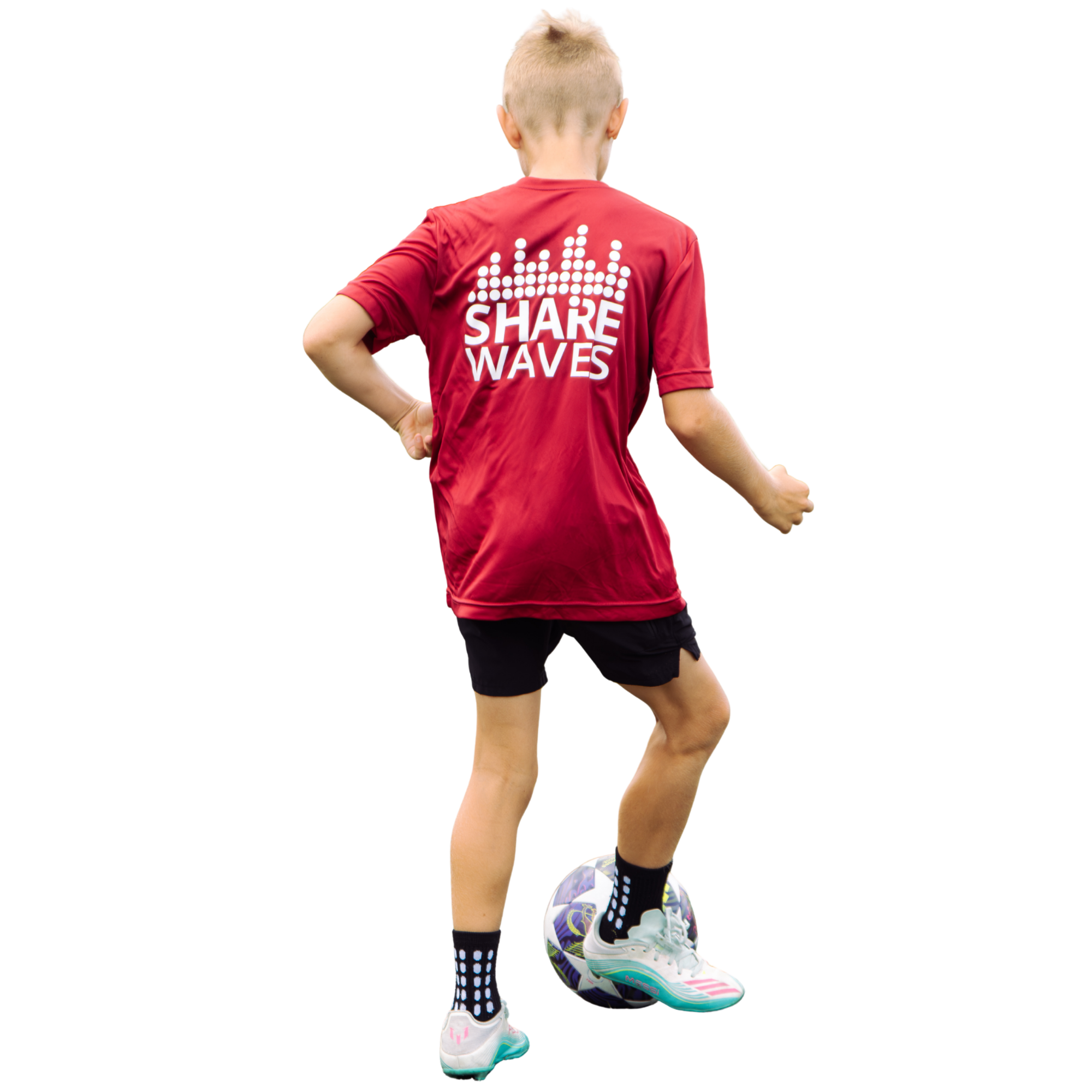
The UN Convention on the Rights of the Child affirms every child's right to play. When kids move and play, they build the cognitive, emotional, and social architecture that carries them into adulthood — and the research now backs this at a level of rigor most interventions can't match.
Play is a right.
Movement is the
Medicine.
Six numbers that tell the whole story.
THE EVIDENCE
76%
of US kids 6–17 don't meet 60 min of daily activity
CDC YRBS
24/15
KC boys (24%) and girls (15%) who meet the guideline
State of Play KC
40%+
of US high schoolers report persistent sadness or hopelessness
CDC YRBS
~2x
attendance benefits are nearly twice as strong for low-income students
AEI
12%
play for scholarships — kids play for fun (48%) and friends (47%)
Aspen Institute
30 pts
participation gap: ~70% of $100K+ households have a child in organized sports vs. ~40% below
AP-Ipsos, 2026
THE CASE FOR REDESIGN
The system is misaligned with the kids it's supposed to serve.
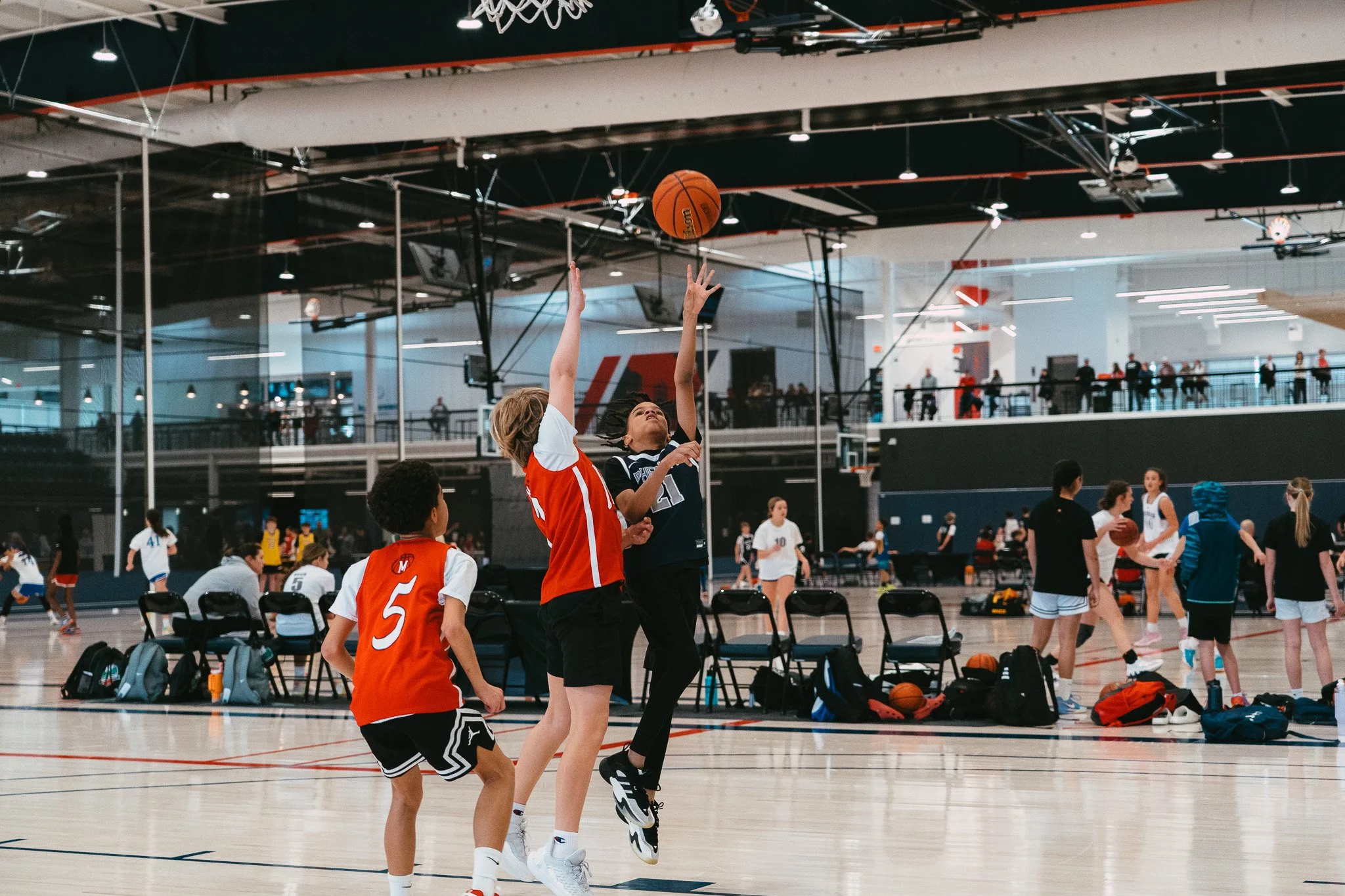
Children overwhelmingly say they play sports to have fun (48%) and be with friends (47%). Only 12% say they play for scholarships. Yet we have built a $40+ billion youth sports industry increasingly organized around exposure, specialization, and monetization. And the majority of children still experience sports through schools and community recreation — the very infrastructure best positioned to provide affordable, population-level access.
The challenge is not convincing kids that sports matter. The challenge is redesigning the system so more kids can experience the benefits we already know sports provide.
Now see how we respond.
ShareWaves works through the Continuum of Opportunity and the Play Equity Collective — one platform doing two kinds of work.